







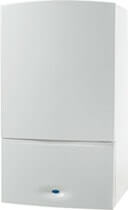

Ravenheat Boiler Repairs London
Over 20+ years experience with Ravenheat Boilers
Insurance approved
90% repaired on the same day
0203 695 3137
How we can assist with your Ravenheat Boilers
- Emergency Boiler Repairs
- Boiler Service
- Landlord Safety Certificates
- New Boilers Installations
- Leaking & Noisy Boilers
- Power Flushes
Boiler Repairs R Us are experienced in handling all types of Ravenheat Boilers. We can also assist with all gas, condensing, combi boiler installations and upgrades. All our plumbers are Gas Safe Registered so you can be assured all our work is carried out within the required regulations. So for complete customer satisfaction call us on 0203 695 3137 to get your Ravenheat Boilers repaired today!
Join 1,000’s of happy customers in London!
Trusted, reliable boilers repair & install specialists.
Get pricing and book repairRavenheat Boilers and Boiler Repairs R Us
Ravenheat Boiler Repair Help Centre
Common Ravenheat faults, fault codes, safe checks, and when to call a Gas Safe engineer in London.
⚠️ Safety First
Smell gas? Do not touch anything. Do not use switches. Open windows, leave the property, and call the National Gas Emergency Line: 0800 111 999.
Carbon monoxide alarm sounding? Get everyone out immediately and call 999. Learn more about carbon monoxide safety.
No gas smell, no alarm? Your boiler may have locked out as a safety precaution. Try the quick checks below.
Jump to:
Fault Codes ·
Ignition Faults ·
Pressure ·
Frozen Condensate ·
Repair or Replace
Quick Checks Before You Call Anyone
These take 60 seconds and solve a surprising number of lockouts:
- Check the pressure gauge: If below 1 bar, top up (see guide below). More detail in our complete pressure guide.
- Note the fault code: Ravenheat boilers display codes like E1, E2, E3, E5, E8. Write it down or take a photo before calling.
- Check your fuse box: Boilers need electricity; a tripped switch is an easy fix.
- Check thermostat and timer: Settings can change after clock changes or dead batteries.
- Freezing weather? The condensate pipe may be frozen (see winter section below).
- Reset once only: Press the reset button, wait 60 seconds. If it locks out again, stop and call an engineer.
Ravenheat Boilers in London
Ravenheat is a UK boiler manufacturer based in Sheffield. They are known for compact, space-saving boilers that suit London flats and properties where cupboard space is limited. The CSI range is their most common domestic boiler, popular with installers for its small footprint.
Ravenheat boilers are found across London in flats, maisonettes, and smaller houses where space is at a premium. Parts are generally available through merchant networks and direct from Ravenheat.
Ravenheat Boiler Fault Codes
Note: Ravenheat uses E-codes on most models. The exact meaning can vary slightly between ranges, so if your code is not listed or behaves differently, tell us the model when you call.
| Code | What It Usually Means | What To Do |
|---|---|---|
| E1 | Ignition failure / no flame detected | Check gas supply and other appliances. Check condensate pipe in freezing weather. Reset once. If it returns, call engineer. |
| E2 | Flame loss during operation | Reset once. If repeated, call engineer. |
| E3 | Overheat protection activated | Let boiler cool for 30 minutes. Check pressure. Reset once. If repeated, call engineer. |
| E4 | Low water pressure | Top up pressure via filling loop (see below). If it drops again within days, call engineer. |
| E5 | Fan fault / air pressure switch fault | Call engineer. Do not keep resetting. |
| E6 | Flue / exhaust fault | Call engineer. Do not keep resetting. |
| E7 | Flow temperature sensor fault | Call engineer. |
| E8 | Return temperature sensor fault | Call engineer. |
| E9 | DHW sensor fault (combi models) | Call engineer. |
| E10 | Frost protection active | Normal in cold weather. If boiler does not resume normal operation when warmer, call engineer. |
E1: Ignition Failure
What is happening: The boiler is trying to ignite but cannot establish a stable flame after multiple attempts.
Common causes: Frozen condensate pipe (winter), gas supply interruption, faulty ignition electrode or lead, blocked burner, gas valve fault.
What to try: Check if your gas hob or other gas appliances work. In freezing weather, check the condensate pipe for ice. Reset once. If E1 returns, call an engineer.
E2: Flame Loss During Operation
What is happening: The boiler ignited successfully but the flame was lost during operation.
Common causes: Gas pressure fluctuation, dirty or worn flame sensor, flue blockage, wind affecting the flue terminal, intermittent gas valve issue.
What to try: Reset once and monitor. If E2 appears repeatedly, call an engineer for diagnosis.
E3: Overheat Protection
What is happening: The boiler has shut down because internal temperatures exceeded safe limits.
Common causes: Pump failure or blockage, system sludge restricting flow, expansion vessel fault, low water level, faulty overheat thermostat.
What to try: Let the boiler cool for 30 minutes. Check the pressure gauge and top up if needed. Reset once. If E3 returns, do not keep resetting. Call an engineer as overheating can damage components.
E4: Low Water Pressure
What is happening: System pressure has dropped below the minimum operating level.
Common causes: Small leak in system, recently bled radiators, pressure relief valve discharge, expansion vessel needs recharging.
What to try: Top up pressure using the filling loop (see below). If pressure drops again within days, there may be a leak. Read our pressure guide for step-by-step instructions.
How to Top Up Pressure (Ravenheat)
If you are not comfortable using the filling loop, stop and call a Gas Safe engineer.
Note: Most Ravenheat boilers have a filling loop underneath or near the boiler. Some models have an integrated filling key or device.
- Locate the filling loop (usually underneath the boiler, a braided silver hose with valves).
- Ensure the boiler is off and cool.
- Open the valves slowly, a quarter turn at a time.
- Watch the pressure gauge rise to between 1.0 and 1.5 bar.
- Close both valves fully.
- Switch the boiler back on and reset if required.
Do not exceed 2.0 bar. If you overfill, stop and call an engineer.
If you need to top up frequently (more than once a month), there is likely a leak. Call us for a diagnosis.
Frozen Condensate Pipe (Winter)
In freezing weather, a frozen condensate pipe is one of the most common causes behind E1 faults on Ravenheat boilers. This is often safe to resolve yourself.
Signs: Boiler locked out with E1, freezing temperatures outside, gurgling sound when boiler tries to start.
What to do:
- Locate the condensate pipe (white or grey plastic pipe exiting to an outside drain).
- Pour warm water (not boiling) over the frozen section.
- Reset the boiler once thawed.
Do not use a naked flame or heat gun on plastic pipework.
Full instructions: Frozen condensate pipe guide.
If it keeps happening, we can reroute the pipe internally or add insulation to prevent future freezing.
Why These Faults Are Common in London Homes
Hard water, older pipework, and London’s variable weather contribute to certain faults:
- E4 (low pressure): Victorian and Edwardian properties often have older pipework with small leaks.
- E1 (ignition failures): Condensate pipes routed externally freeze during cold snaps.
- E3 (overheat): Hard water causes limescale buildup, restricting flow and leading to overheating.
Ravenheat Boiler Models We Repair
We repair all Ravenheat gas boilers including:
- CSI: The most common Ravenheat range (CSI 85, CSI 120, CSI 150, etc.)
- RSF: Regular/system boiler range
- HE: High-efficiency models
- Older Ravenheat models: Including discontinued ranges
Ravenheat: Parts and Support
As an active UK manufacturer, Ravenheat parts are generally available through merchant networks and direct from the company. This makes repairs more straightforward than with discontinued brands.
- Common service parts: Readily available (sensors, electrodes, diverter valves, pumps)
- PCBs and gas valves: Usually available, may require ordering
- Technical support: Ravenheat provides documentation and support for engineers
Common Ravenheat Boiler Problems
E1 ignition failures: The most common repair. Often caused by worn electrodes, ignition leads, or frozen condensate in winter.
Low pressure (E4): Common on all sealed system boilers. Usually a small leak or expansion vessel issue.
Diverter valve problems: Hot water works but heating does not (or vice versa). Common on combi boilers as they age.
Overheat faults (E3): Often linked to circulation problems, pump wear, or limescale buildup in the heat exchanger.
Sensor faults (E7/E8/E9): Temperature sensors can fail over time, usually a straightforward replacement.
Repair or Replace?
Ravenheat boilers are generally well-suited to repairs because parts remain available. The decision depends on age, condition, and repair cost.
Signs it may be time to replace:
- Multiple faults in the past 12 months
- Boiler over 15 years old
- Major component failure (heat exchanger) on an aging unit
- Efficiency noticeably declining (higher gas bills)
We give honest advice either way. Read more: Repair or replace? An engineer’s guide.
If you decide on a new boiler: New boiler installation.
🔧 Ravenheat Showing E3? Cold Radiators?
If your Ravenheat is showing overheat faults (E3) or you have cold spots on radiators, the cause is often sludge or limescale restricting flow.
London is a hard water area. A power flush clears debris and can restore proper circulation. Learn more about power flushing.
Ravenheat Boiler Servicing
Annual servicing keeps your Ravenheat running efficiently and helps catch developing faults early.
We service all Ravenheat models and provide a full report after each visit. Book your boiler service.
Renting? Landlords: Check This
Tenants: Your landlord is usually responsible for boiler repairs. Contact them first and keep written records.
Landlords: Ravenheat boilers are popular in London rental properties due to their compact size. Stay compliant with our Gas Safety Certificate (CP12) service. See our London landlord checklist.
London Wide Coverage
We repair Ravenheat boilers across all London boroughs including North, South, East, West, and Central London.
For coverage and service areas, see our London coverage page.
We Also Repair These Brands
What We Need From You (To Diagnose Faster)
- Boiler model: For example CSI 85, CSI 120, RSF
- Fault code: The exact code shown on the display (E1, E3, E4, etc.)
- Pressure reading: (if visible) and whether it drops frequently
- Postcode: So we can route the closest engineer
- Gas supply check: Whether other gas appliances work (hob/cooker)
Book Your Ravenheat Boiler Repair
Gas Safe engineers available across London. 24/7 call handling, speak to our team for safe next steps.