







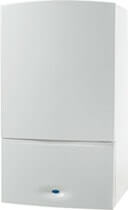

British Gas Boiler Repairs London
Over 20+ years experience with British Gas Boilers
Insurance approved
90% repaired on the same day
0203 695 3137
How we can assist with your British Gas Boilers
- Emergency Boiler Repairs
- Boiler Service
- Landlord Safety Certificates
- New Boilers Installations
- Leaking & Noisy Boilers
- Power Flushes
Boiler Repairs R Us are experienced in handling all types of British Gas Boilers. We can also assist with all gas, condensing, combi boiler installations and upgrades. All our plumbers are Gas Safe Registered so you can be assured all our work is carried out within the required regulations. So for complete customer satisfaction call us on 0203 695 3137 to get your British Gas Boilers repaired today!
Join 1,000’s of happy customers in London!
Trusted, reliable boilers repair & install specialists.
Get pricing and book repairBritish Gas Boilers and Boiler Repairs R Us
British Gas Boiler Repair Help Centre
Common British Gas boiler faults, fault codes, safe checks, and when to call a Gas Safe engineer.
⚠️ Safety First
Smell gas? Do not touch anything. Do not use switches. Open windows, leave the property, and call the National Gas Emergency Line: 0800 111 999.
Carbon monoxide alarm sounding? Get everyone out immediately and call 999. Learn more about carbon monoxide safety.
No gas smell, no alarm? Your boiler may have locked out as a safety precaution. Try the quick checks below.
Jump to:
Identify Your Code Type ·
Fault Codes ·
EA Ignition ·
E9 Overheat ·
Pressure ·
Frozen Condensate ·
Repair or Replace
Quick Checks Before You Call Anyone
These take 60 seconds and solve a surprising number of lockouts:
- Check the pressure gauge (if you have one): If below 1 bar, topping up can help (see guide below). More detail in our complete pressure guide.
- Note the exact fault code: Write it down exactly as shown (for example EA / E9 / F.28 / F22). A photo of the display helps.
- Check your fuse box: Boilers need electricity; a tripped switch is an easy fix.
- Check thermostat and timer: Settings can change after clock changes or dead batteries.
- Freezing weather? The condensate pipe may be frozen (see winter section below).
- Reset once only: Press the reset button once, wait 60 seconds. If it locks out again, stop and call an engineer.
British Gas Boilers: What You Need to Know
British Gas branded boilers are not all made by British Gas themselves. They are rebranded boilers built by established manufacturers (the exact platform depends on the model and age). That matters because:
- Fault codes follow the original manufacturer’s system
- Parts are usually shared with the equivalent “base model”
- Any Gas Safe registered engineer can repair them (you are not required to use British Gas for servicing or repairs)
Tip: You can normally find the model name on the front fascia, on the underside data label, in your Benchmark/installation paperwork, or on a service label near the boiler. If you’re unsure, tell us the code + what the display looks like (see below).
Identify Your Code Type (Very Important)
Before using the table, check how your boiler shows faults:
- Letter/number codes (example: EA, A1, C1, C6, E9): commonly seen on Bosch/Worcester-style platforms.
- F-codes (example: F.22, F22, F.28, F75): commonly seen on Vaillant/Glow-worm-style platforms.
- Other letter codes (example: FA): some older British Gas branded combis show their own letter patterns. If yours does, read it out exactly and we’ll match the platform.
British Gas Boiler Fault Codes
Because British Gas branded boilers can be built on different platforms, use the table that matches your code style. If you’re unsure, send us the model name + a photo of the display.
| Code | What It Usually Means | What To Do |
|---|---|---|
| EA | Ignition / flame not established (no flame detected) | Check other gas appliances (hob/cooker). In freezing weather check the condensate pipe. Reset once. If it returns, call an engineer. |
| A1 | Pump or circulation issue (often linked with low flow / air in system) | Check pressure and radiator heat consistency. If repeated, call an engineer (circulation faults can cause overheating). |
| C1 | Airflow/fan related fault during operation | Call an engineer. Do not keep resetting. |
| C6 | Fan speed issue / fan not performing correctly | Call an engineer. |
| E9 | Overheat / safety temperature limiter triggered | Let it cool, check pressure, reset once. If E9 returns, stop and call an engineer. |
| Code | What It Usually Means | What To Do |
|---|---|---|
| F22 | Low system water pressure / water shortage | Top up pressure using the filling loop (see below). If it drops again within days, call an engineer. |
| F28 | Ignition failure (boiler cannot ignite) | Check other gas appliances. Check condensate in freezing weather. Reset once only. If it returns, call an engineer. |
| F75 | Pump/pressure sensor issue (no detected pressure change when pump runs) | Check pressure gauge first. If pressure is normal, call an engineer. |
EA: Ignition / Flame Not Established
What is happening: The boiler is trying to ignite but cannot establish a stable flame after multiple attempts.
Common causes: Gas supply interruption, frozen condensate pipe (winter), ignition or flame sensing components, flue/air issues, or a gas valve fault.
What to try: Check if your gas hob or other gas appliances work. In freezing weather, check the condensate pipe for ice. Reset once only. If the boiler will not ignite again, call an engineer.
Tip: If your boiler shows F.28 instead of EA, skip to the “F-codes” section above and use the Vaillant/Glow-worm guidance.
E9: Overheat / Safety Temperature Limiter
What is happening: The boiler has shut down because internal temperatures exceeded safe limits.
Common causes: Pump problems, restricted circulation (sludge/magnetite), limescale restriction, air in the system, or an issue with the safety limiter/sensors.
What to try: Let the boiler cool for 30 minutes. Check the pressure gauge and top up if needed. Reset once. If E9 returns, do not keep resetting. Call an engineer.
Low Water Pressure (F22 / Low-pressure Warning)
What is happening: System pressure has dropped below the minimum operating level. On many systems this is visible on the gauge even if the code differs.
Common causes: Small leak, recently bled radiators, pressure relief valve discharge, or expansion vessel issues.
What to try: Top up pressure using the filling loop (see below). If pressure drops again within days, there may be a leak. Read our pressure guide for step-by-step instructions.
How to Top Up Pressure (British Gas Branded Boilers)
If you are not comfortable using the filling loop, stop and call a Gas Safe engineer.
Note: The filling loop location varies by model. Many have a filling link underneath the boiler; some older systems use a braided hose. If you cannot locate it easily, do not remove the boiler casing.
- Locate the filling loop (often underneath the boiler or near the pipework).
- Ensure the boiler is off and cool.
- Open the valve(s) slowly.
- Watch the pressure gauge rise to between 1.0 and 1.5 bar.
- Close the valve(s) fully.
- Switch the boiler back on and reset if required.
Do not exceed 2.0 bar. If you overfill, stop and call an engineer.
If you need to top up frequently (more than once a month), there is likely a leak. Call us for a diagnosis.
Frozen Condensate Pipe (Winter)
In freezing weather, a frozen condensate pipe is one of the most common causes behind ignition lockouts (including EA and F.28) on modern condensing boilers. This is often safe to resolve yourself. If you are unsure, or the boiler will not restart, call an engineer.
Signs: Boiler locked out with ignition-related code, freezing temperatures outside, gurgling sound when boiler tries to start.
What to do:
- Locate the condensate pipe (white or grey plastic pipe exiting to an outside drain).
- Pour warm water (not boiling) over the frozen section.
- Reset the boiler once thawed.
Do not use a naked flame or heat gun on plastic pipework.
Full instructions: Frozen condensate pipe guide.
If it keeps happening, we can reroute the pipe internally or add insulation to reduce repeat freezing.
Why These Faults Are Common in London Homes
Hard water, older pipework, and winter weather make certain faults more likely in London properties:
- Low pressure: Older properties can develop gradual pressure loss from small leaks or recent radiator bleeding.
- Ignition lockouts (EA / F.28): External condensate pipes exposed to freezing temperatures commonly cause winter lockouts.
- Overheat/circulation faults (E9 / A1 / F75): Limescale, sludge (magnetite), or restricted flow can push boilers into safety shutdown.
British Gas Boiler Models We Repair
We repair British Gas branded boilers across London. Model families vary by age/platform, including:
- RD5xx series (e.g., RD532i/RD537i/RD542i): British Gas branded units built on a Bosch/Worcester platform
- 330 / 330+: commonly seen with F-code style displays on some installations
- Other British Gas branded models: if you tell us the exact model name + code style, we’ll match the underlying platform quickly
Not sure which model you have? Tell us what the front fascia says and the exact code shown. A photo of the display helps.
You Do Not Need British Gas for Repairs
Despite the branding, you are not required to use British Gas engineers for repairs. Any Gas Safe registered engineer can work on these boilers. Because they are built by established manufacturers, parts are usually widely available and repairs are straightforward for experienced engineers once the platform is identified.
Common British Gas Boiler Problems
Ignition failures (EA / F.28): Often linked to gas supply interruptions, ignition/flame sensing components, or winter condensate freezing.
Low pressure (F22 / low-pressure warning): Common on sealed systems. Usually a small leak, recent radiator bleeding, or expansion vessel/PRV issues.
Diverter valve sticking: Hot water works but radiators stay cold (or vice versa). More common on older combis.
Overheat/circulation faults (E9 / A1 / F75): Often linked to restricted flow from sludge/magnetite or scale buildup.
PCB issues: Random lockouts, display glitches, or intermittent operation on older units.
Repair or Replace?
Many boilers last 10 to 15 years with proper maintenance. If yours is approaching that age and needs a major repair (heat exchanger, PCB, gas valve), replacement may be more cost effective.
When replacing a British Gas branded boiler, you can choose any manufacturer. You are not tied to British Gas or the original supplier. We can advise on the best options for your home and budget.
We give honest advice either way. Read more: Repair or replace? An engineer’s guide.
If you decide on a new boiler: New boiler installation.
🔧 Kettling, Cold Radiators, or Repeat Overheat/Circulation Faults?
If your boiler is making kettling noises, has cold spots on radiators, or keeps showing overheat/circulation-related faults, the cause is often sludge or debris restricting flow.
London is a hard water area, and over time limescale and magnetite build up. A power flush clears debris and can reduce repeat faults. Learn more about power flushing.
British Gas Boiler Servicing
Annual servicing keeps your boiler running efficiently regardless of whether you have a Homecare contract. We service British Gas branded boilers and provide a clear report after each visit.
We recommend servicing in late summer or early autumn, before the heating season. Book your boiler service.
Renting? Landlords: Check This
Tenants: Your landlord is usually responsible for boiler repairs. Contact them first and keep written records, especially if you have no heating or hot water.
Landlords: Stay compliant with our Gas Safety Certificate (CP12) service. See our full London landlord checklist covering gas safety, EPCs, and maintenance requirements.
London Wide Coverage
We repair British Gas branded boilers across all London boroughs including North, South, East, West, and Central London.
For coverage and service areas, see our London coverage page.
We Also Repair These Brands
What We Need From You (To Diagnose Faster)
- Boiler model: the exact name shown on the front fascia or paperwork (for example RD532i, 330+, etc.)
- Fault code: the exact code shown on the display (EA, E9, F.28, F22, etc.)
- Pressure reading: (if visible) and whether it drops frequently
- Postcode: so we can route the closest engineer
- Gas supply check: whether other gas appliances work (hob/cooker)
Book Your British Gas Boiler Repair
Gas Safe engineers available across London. 24/7 call handling, speak to our team for safe next steps.